
We’ve all been there. You’ve dreamt of this trip for months, meticulously planned every detail, and now, after hours of travel, you’re so close you can almost taste the mountain air. But then, it hits you: The Last Mile. That final, often unexpected, gauntlet of navigating trains, shuttles, cobblestone streets, and the sheer logistical puzzle of getting yourself and your precious gear from the arrival hub to your accommodation.
This “last mile” struggle is a global phenomenon for travellers, and it’s particularly acute when your destination is a charming, car-free paradise. While the allure of places like Zermatt, Switzerland, lies precisely in their pristine, pedestrian-friendly environments, they also present the ultimate challenge for your luggage.
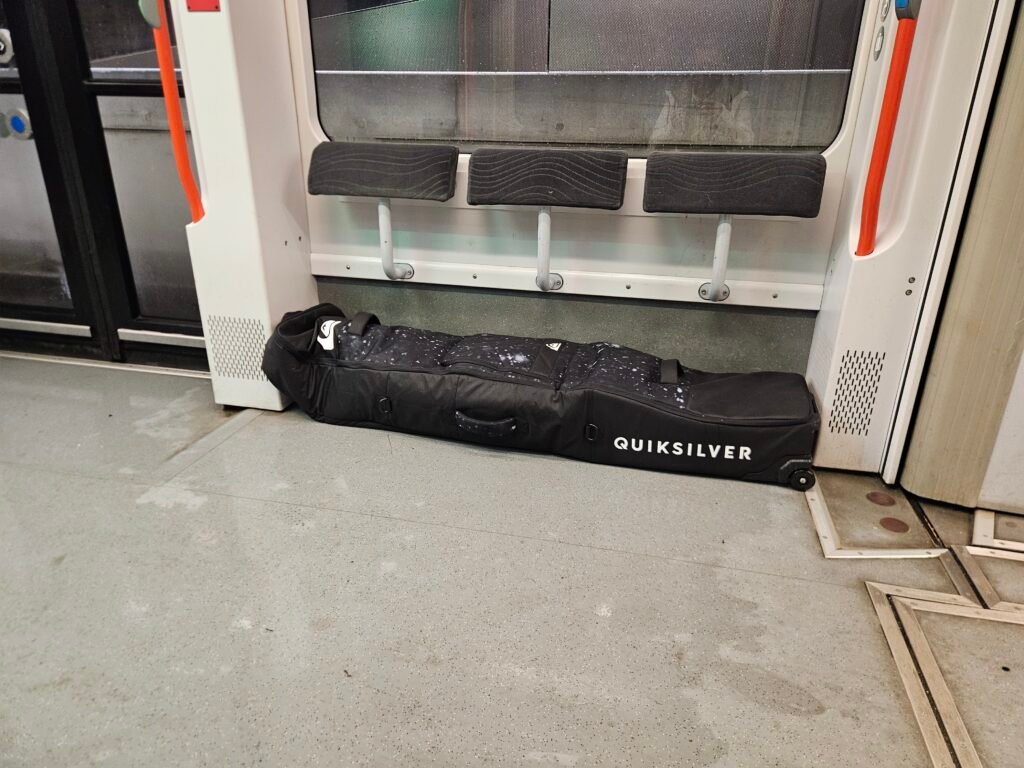
Zermatt: A Car-Free Masterclass in Luggage Logistics
Imagine arriving in Switzerland, exhausted but exhilarated. You’ve made it to the Matterhorn region! But Zermatt, a gem nestled beneath the iconic peak, is entirely car-free. This means your journey doesn’t end when you step off the main train.
Instead, you’ll find yourself at Täsch, the last point reachable by private car. From here, a dedicated shuttle train whisks you the final five kilometres into Zermatt village. This transfer, while efficient, requires you to manage your bags – potentially heavy ski bags, snowboard bags, boot bags, and roller luggage – on and off the train.
Once you arrive in Zermatt, the charming streets are off-limits to traditional vehicles. Instead, a fleet of silent, electric taxis and hotel shuttles navigate the narrow lanes. While convenient, this still means your bags need to be robust enough to handle being loaded and unloaded multiple times, potentially rolled over uneven surfaces, and manoeuvre through bustling train stations and hotel lobbies. The dream of a seamless, door-to-door delivery with your current roller bag might quickly turn into a sweaty, frustrating reality.
The Three Pillars of Last-Mile Luggage Survival
So, what separates a fair-weather roller bag from a true international travel warrior? When the last mile demands more than just a smooth airport floor, your bag needs three crucial technical features to survive:
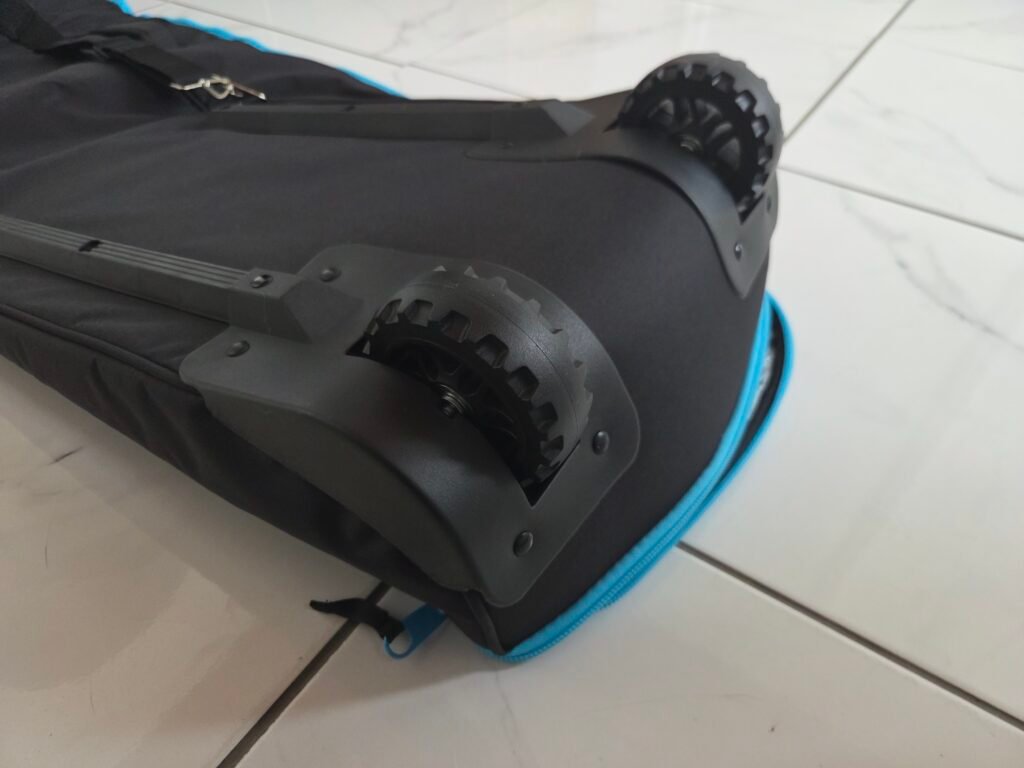
- Oversized, Robust Wheels: This is non-negotiable. Forget those tiny, recessed wheels designed for carpeted terminals. You need large, durable, off-road-capable wheels that can tackle cobblestones, gravel paths, snowy sidewalks, and the inevitable cracks and bumps of real-world travel. Think skateboard wheels, not office chair casters.
- Rigid Internal Spine/Chassis: A flimsy bag will sag, drag, and ultimately buckle under the weight of ski and snowboard boots, helmets, and layers of gear. A strong internal frame or rigid spine is essential to maintain the bag’s structure, protect its contents, and allow the wheels to do their job efficiently, even when fully loaded.
- Reinforced, Multiple Grab Handles: You won’t always be rolling your bag. There will be stairs, train car gaps, and the need to hoist it into shuttle vans or onto luggage racks. Strategically placed, heavily reinforced grab handles on the top, sides, and even bottom of the bag are critical for easy lifting and manoeuvrings without tearing the fabric or seams.
Beyond Zermatt: A Global Imperative
While Zermatt provides a fantastic case study, these “last mile” luggage rules apply to almost any international ski/snowboard trip. Whether you’re navigating the intricate train systems of the Japanese Alps, transferring between regional buses and gondolas in the Dolomites, or tackling the charming but uneven streets of a French village, your gear needs to be up to the task.
Don’t let the last mile derail your dream ski/snowboard vacation. Invest in a roller bag that’s built for the journey, not just the airport.
Ready to find the ultimate travel companion for your next adventure? Visit our Global Gear Guide for specific recommendations on roller bags that conquer the last mile with ease!
To keep our mountain guides free for everyone, we partner with some of the transport providers mentioned above. If you book through our links, we may earn a small commission at no extra cost to you. We only recommend services that our team has researched and found reliable for winter travel.